Mandala Dolphin Tropical Floral Tumbler: A Designer's Review
As a designer who spends more time staring at stitch maps than most people care to admit, I approach every new digital embroidery file with a mix of curiosity and skepticism. We have all been burned by beautiful previews that turn into thread nests on the machine. So, when I first pulled up the Mandala Dolphin Tropical Floral Tumbler, my initial reaction was purely visual. It is listed under Tumbler Wraps and Graphics, which immediately signals that this is a high-resolution image asset rather than a pre-digitized stitch file. However, for those of us running a craft business or managing an Etsy seller shop, the line between a printable graphic and an embroidery reference often blurs. The question isn't just "is it pretty?" but "can I translate this into a handmade product that holds up to wear and washing?"
First Impressions: Mood and Visual Personality
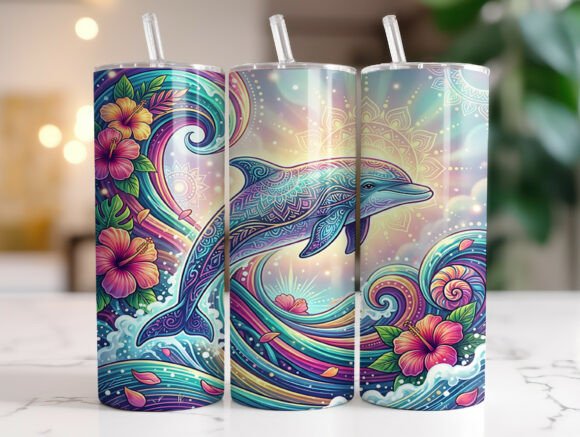
The first thing that strikes me about the Mandala Dolphin Tropical Floral Tumbler is its vibrant, summery energy. The composition blends the fluid motion of a dolphin with the geometric symmetry of a mandala, all wrapped in lush tropical florals. For a designer, this creates an interesting challenge. The mood is playful yet structured, making it ideal for projects that need to feel both organic and polished. The layout is dense, filled with details that would look stunning as a full-color print on a 20oz skinny tumbler, which is exactly what the 9.3″ x 8.2″ dimensions suggest.
However, translating this Graphics asset into a machine embroidery design requires a shift in thinking. In its current form as a PNG, it serves as a perfect reference for creating custom digitizing or for sublimation. If you are an embroiderer looking to recreate this look, you are looking at a project that demands careful planning regarding thread colors and stitch density. The intricate floral elements and the mandala patterns suggest a need for fine satin stitch work or detailed fill stitch areas to capture the essence without losing definition.
Real-World Application: From Screen to Stitch
Let's imagine a real-life scenario. A client approaches your small shop wanting a set of matching beach towels and a tote bag design for a family reunion. They show you the Mandala Dolphin Tropical Floral Tumbler image and ask, "Can you do this?" This is where your expertise comes in. Since the product description clarifies this is an instant download of PNG files (one straight, one tapered), you know you aren't buying a ready-to-stitch embroidery file. Instead, you are acquiring a high-quality design asset to use as a template.
In this scenario, the high resolution of 300 DPI is a lifesaver. It allows you to import the image into your digitizing software and trace the outlines accurately. You might decide to simplify the background florals into an applique design to reduce bulk on a towel, while keeping the dolphin and mandala center as dense embroidery. For a sweatshirt embroidery project, the tropical theme works beautifully against navy or teal fleece, offering a pop of color that feels premium. The key here is adaptation. You aren't just stitching a picture; you are interpreting a graphic into a tactile finished product.
Navigating Fabric and Hoop Constraints
One of the most critical aspects of using a design like this is understanding where it fits physically. The original graphic is sized for a curved surface—a tumbler. When moving to flat goods like a pillow cover or a kitchen towel, the taper of the original image might need adjustment to look proportional. Furthermore, the level of detail in the mandala and floral sections means you must be cautious with hoop size. If you attempt to stitch this at a small scale on a cap or a baby onesie, the tiny details could merge into a blob of thread.
I always advise testing on scrap fabric first, especially when dealing with complex imagery derived from graphics. Textured fabrics like waffle weave or terrycloth can swallow fine running stitch details. Similarly, stretchy fabrics require a robust stabilizer strategy to prevent puckering, which would ruin the symmetry of the mandala. If you are working on dark fabric, remember that the original PNG likely assumes a white or light background. You may need to add a backing layer or adjust your thread palette to ensure the tropical colors pop rather than get lost in the garment color.
Commercial Viability and Brand Consistency
For creative entrepreneurs and digital product sellers, the value of the Mandala Dolphin Tropical Floral Tumbler lies in its versatility. While it is marketed for tumblers, its application extends far beyond drinkware. Using this graphic as a base for custom embroidered patch creation could result in a unique merchandise item for a boutique brand. The professional look of the source image elevates the perceived value of the final item. Customers trust handmade goods that look deliberate and well-executed; a blurry or poorly adapted design erodes that trust instantly.
When considering this for commercial embroidery projects, clarity is king. Before listing items on Etsy or at a craft fair, create black-and-white mockups to check the contrast. Does the dolphin stand out from the flowers? Are the mandala lines distinct? These checks ensure that your personalized gift or holiday embroidery piece reads clearly from a distance. It also helps in selecting the right thread weights; perhaps a thicker thread for the main outlines and a finer weight for the internal floral details will give the necessary depth.
Final Verdict for the Practical Maker
The Mandala Dolphin Tropical Floral Tumbler is a strong starting point for a variety of creative endeavors, provided you understand what you are buying. It is not a magic button that produces stitches; it is a high-quality visual foundation. For the experienced designer, this is an opportunity to showcase digitizing skills and material knowledge. Whether you are creating baby embroidery for a nursery, custom apparel for a vacation rental, or printable mockup assets for your online store, this graphic offers rich visual potential.
Just remember to verify the licensing terms before selling finished items or digital derivatives. Always confirm the specific file compatibility with your workflow, as the package includes PNGs, not DST or PES files. With the right preparation—checking stitch density, choosing appropriate fabrics, and respecting the limits of your hoop—this design can transform from a screen graphic into a cherished, tangible piece of art. It is a reminder that in our trade, the best results come not just from the file we download, but from the thoughtful decisions we make before the needle ever hits the fabric.