Watercolor Labradors Dog 20oz Tumbler Review
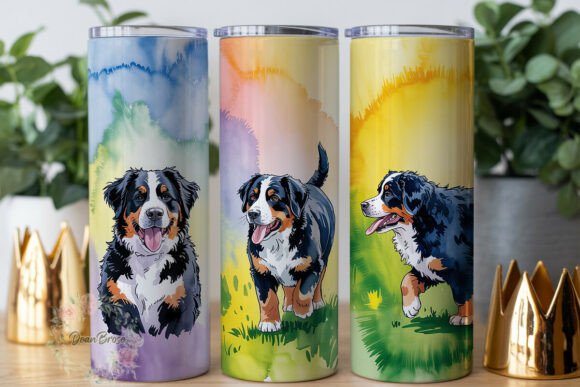
As a designer who spends more time staring at stitch maps than most people spend looking at their phones, I approach every new machine embroidery design with a healthy dose of skepticism. We have all been there: you buy a file based on a pretty thumbnail, only to find out the stitch density is a nightmare or the details vanish into a blob of thread once it hits the fabric. That is why I took a close look at the Watercolor Labradors Dog 20oz Tumbler graphics before committing to a full production run. While this product is technically listed under Tumbler Wraps and categorized as Graphics, my interest lies in how these visual assets translate into tangible, stitched reality for our craft businesses.
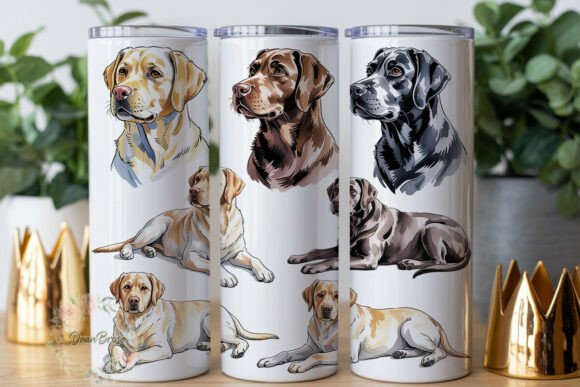
The first thing that strikes me about the Watercolor Labradors Dog 20oz Tumbler files is the mood. Watercolor styles in digital art often rely on soft edges and bleeding colors, which can be notoriously difficult to replicate with thread. However, the layout here suggests a thoughtful approach to shape and theme. The dimensions provided—9.3″ x 8.2″—indicate a substantial coverage area, perfect for wrapping around a standard 20oz tumbler. But for us embroidery enthusiasts, the real question is: how does this visual personality translate when we move from sublimation ink to needle and thread?
Translating Digital Graphics into Stitched Reality
I recently had a client request a series of custom tote bags for a local dog rescue fundraiser. They wanted something that felt artistic and boutique, not like a generic promotional item. This is where the Watercolor Labradors Dog 20oz Tumbler concept shines as a source of inspiration. Even though the original files are PNGs intended for printing, the clear definition of the Labrador's features allows a skilled digitizer (or a pre-digitized version of this theme) to create a stunning applique design or a complex fill work piece.
When evaluating the potential for sweatshirt embroidery or tote bag design, the watercolor aesthetic offers a unique challenge. Unlike bold, cartoonish vectors, watercolor relies on gradients. In an embroidery project, this means relying heavily on varied thread colors and strategic stitch density. If you are using this graphic as a reference for a custom job, you will want to focus on long and short fill stitch techniques to mimic those soft blends. The result on a canvas tote or a fleece hoodie creates a high-end, painterly look that customers immediately associate with higher value.
For Etsy sellers and small shop product creators, the visual appeal of a Labrador rendered in this style taps directly into the pet lover market. It feels personal and warm. Whether applied as a large back patch on a denim jacket or a centered motif on a pillow cover, the design carries a sense of nostalgia and comfort. This emotional connection is what drives buyer engagement and turns a one-time purchaser into a repeat customer.
Practical Considerations for Fabric and Hooping
Let's get into the nitty-gritty of execution. If you are adapting this graphic for custom apparel, you must consider your hoop size. The original dimensions are quite large for a standard tumbler wrap, but for clothing, you might need to scale it down. Be cautious when reducing the size. Watercolor effects depend on subtle color transitions; if you shrink the design too much for a baby embroidery project on a onesie, those delicate details might merge together. Always test the design on scrap fabric first to ensure the stitch density remains appropriate for the scaled size.
Fabric texture plays a massive role here. On a smooth cotton twill or a tight-weave linen, the fine details of the dog's fur and the watercolor wash will pop. However, on textured fabrics like terrycloth towels or heavy fleece, you may lose some of that definition. In those cases, I recommend using a heavier weight stabilizer to prevent the fabric from puckering under the weight of the stitches. For stretchy fabrics, a cut-away stabilizer is non-negotiable to maintain the integrity of the finished product after washing.
Dark fabrics present another hurdle. The Watercolor Labradors Dog 20oz Tumbler graphic likely features light, airy tones. If you are stitching this onto a navy sweatshirt or a black cap, you will need to lay down a solid white underlay. Without it, the vibrant thread colors will look muddy and dull. Testing your design in black and white mockups before you even thread the machine can help you visualize contrast issues early on.
Commercial Viability and Brand Consistency
For those running a craft business, consistency is key. Using a cohesive set of design assets helps build brand recognition. The Labrador theme is versatile enough to fit into various collections, from holiday embroidery gifts to year-round boutique branding. Imagine a series of products: a matching set of kitchen towels, an apron for the grilling dad, and a throw blanket for the living room. All featuring this same watercolor dog motif. This kind of cross-product consistency elevates your shop from a hobbyist stall to a professional brand.
However, a word of caution regarding licensing. The product description notes that you receive PNG files for straight and tapered tumblers. It does not explicitly state the license terms for converting these graphics into embroidery files for resale. Before you list a personalized gift or a commercial embroidery item based on this artwork on your Etsy store, you must confirm the licensing agreement. Some graphic designers allow personal use only, while others permit commercial use of the finished physical item but forbid selling the digital embroidery file itself. Protecting your business means doing this due diligence upfront.
Final Verdict for Makers and Designers
The Watercolor Labradors Dog 20oz Tumbler graphic is a strong contender for anyone looking to add a touch of artistic flair to their product line. Its strength lies in its emotional resonance and its adaptability across different mediums. While it arrives as a print-ready graphic, its true potential for the embroidery community lies in how we interpret those watercolor flows into thread.
If you are an apparel decorator or a creative entrepreneur, I suggest using this as a high-quality reference for creating custom embroidered patches or direct-to-garment hybrids. Pay attention to the running stitch outlines that might define the dog's silhouette, and don't be afraid to experiment with satin stitch borders to frame the softer internal fills. Just remember to check your thread color contrast against your chosen fabric and always verify the license before selling.
In the end, the success of any handmade product comes down to the execution. This design provides a beautiful foundation, but it is your skill with the machine, your choice of materials, and your attention to detail that will turn a simple graphic into a cherished heirloom. Whether it ends up on a tea towel, a cap, or a luxury blanket, the Watercolor Labrador has the charm to make customers smile—and that is the ultimate goal of any good design.