Camo Best Dad Ever: A Designer's Review for Embroidery
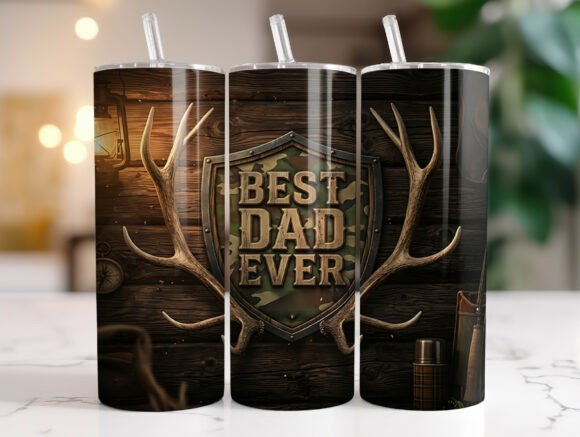
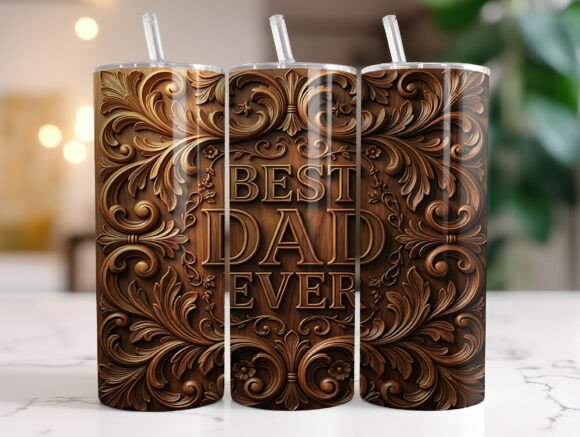
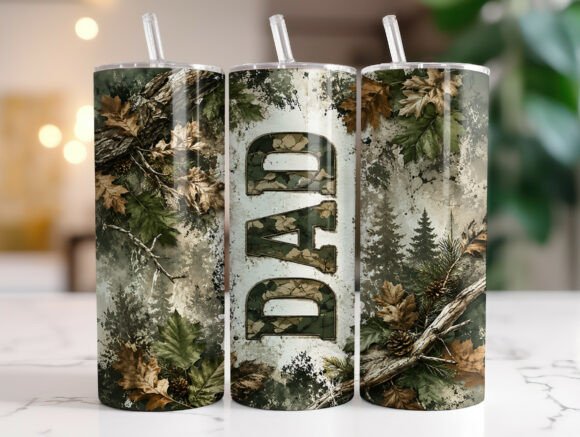
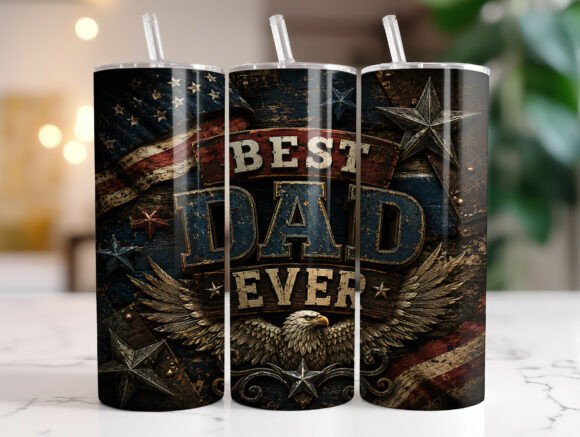
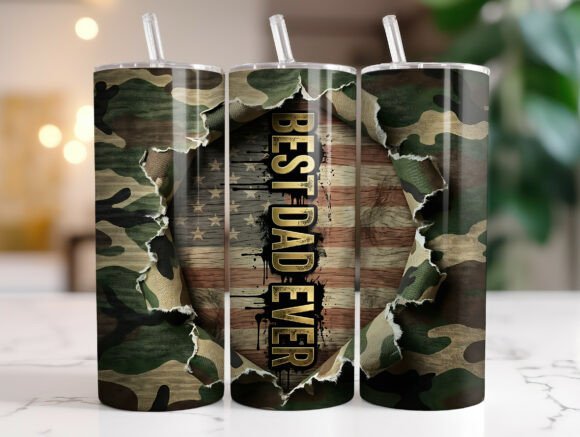
As a designer who spends more time staring at stitch maps than most people spend watching television, I approach every new digital embroidery file with a mix of excitement and skepticism. We have all been there: you download a design that looks crisp on the screen, only to find out it turns into a bird's nest of thread once it hits the fabric. Today, I am taking a close look at the Camo Best Dad Ever 20 Oz Tumbler Wrap. Now, before you stop reading because the title says "Tumbler Wrap," hear me out. In our industry, we often have to think outside the hoop. While this asset is marketed specifically for sublimation or printing on Tumbler Wraps, the visual composition offers some fascinating insights for those of us working in thread, whether we are adapting it for a patch, a tote, or simply analyzing current trends in father-themed Graphics.
First Impressions: Rugged Charm Meets Sentiment
The first thing that strikes me about the Camo Best Dad Ever 20 Oz Tumbler Wrap is its mood. It immediately establishes a rugged, outdoorsy aesthetic without sacrificing the warmth of a family gift. The camouflage pattern suggests durability and adventure, which pairs surprisingly well with the soft sentiment of "Best Dad Ever." From a layout perspective, the design balances bold typography with textured background elements. For an embroidery designer, this contrast is crucial. If we were to translate this vibe into a machine embroidery design, we would need to carefully consider how to replicate that camo texture without creating excessive stitch density that could pucker the fabric.
The visual personality here is distinctly masculine yet approachable. It feels right at home in a workshop, a hunting cabin, or a backyard BBQ. This makes it an excellent candidate for custom apparel like heavy cotton tees or flannel shirts. However, because the original file is a high-resolution PNG intended for printing, using it as a reference for stitching requires a keen eye for detail. You aren't just copying pixels; you are translating them into satin stitch, fill stitch, and running stitch sequences that must hold up under tension.
Real-World Application: The Father's Day Rush
Let's put this into a real-life scenario. Imagine it is mid-May, and your craft business is gearing up for the Father's Day rush. A customer comes in wanting a personalized gift for her husband who loves hunting but also enjoys his morning coffee. She wants something unique, not just another mug. While the Camo Best Dad Ever 20 Oz Tumbler Wrap is perfect for wrapping a tumbler, you might decide to create a complementary embroidered patch to attach to a canvas tote bag or a cap.
In this scenario, the design's strong lettering becomes the focal point. The "Best Dad Ever" text needs to be legible and bold. If you are digitizing this concept or using a similar embroidery file, you would want to ensure the letters are wide enough to support a dense satin column. The camo background, which works beautifully in the printed wrap, would need to be simplified for embroidery. Perhaps a sparse fill stitch in varying shades of green and brown could mimic the effect without adding too much bulk. This kind of adaptation turns a simple graphic into a high-value handmade product that stands out at a craft fair or in an Etsy seller's shop.
Furthermore, this design shines when applied to sweatshirt embroidery. The thick fabric of a hoodie can handle the weight of a detailed design better than a thin tee. Imagining this stitched onto the chest pocket of a work jacket or the back of a denim vest creates a powerful image of pride and identity. It transforms a standard garment into a piece of small shop product merchandise that tells a story.
Technical Considerations and Fabric Choices
While the aesthetic is strong, we must discuss the technical realities of bringing this style to life with thread. The original Camo Best Dad Ever 20 Oz Tumbler Wrap is a printed graphic, meaning it has no inherent stitch count or hoop constraints. However, if you are using it as inspiration or tracing elements for an applique design, you must be vigilant about hoop size. The dimensions mentioned in the product details (9.3″ x 8.2″) are quite large for many standard home embroidery machines. You might need to resize the elements significantly to fit within a 5x7 or 6x10 hoop, which brings us to the issue of detail loss.
Small details are the enemy of bad digitizing. If the camo pattern includes tiny, intricate shapes, they may not stitch out cleanly on textured fabrics. I always recommend testing the design on scrap fabric first. Try it on a stable cotton twill before attempting it on a stretchy jersey knit. Speaking of fabric, the choice of material dramatically affects the outcome. On dark fabric, you will need to ensure your thread colors have enough contrast. A dark green camo on a black sweatshirt might disappear, ruining the visual impact. Conversely, light threads on dark backgrounds can look striking if the stabilizer is chosen correctly to prevent show-through.
Another critical factor is the curved surface. The original product is designed for a tapered tumbler, which is a curved surface. If you attempt to apply a similar layout to a baseball cap, remember that caps have their own curvature and seam limitations. Detailed corners and tiny lettering can distort easily on the front panel of a hat. It is often better to simplify the design for headwear, focusing on the text and perhaps one or two key camo elements rather than a full background fill.
Enhancing Brand Value and Customer Trust
Using high-quality visuals like the Camo Best Dad Ever 20 Oz Tumbler Wrap as a baseline for your projects can significantly boost your brand consistency. When customers see a cohesive look across your printable mockup images and your actual finished product, it builds trust. They know they are buying from a professional who understands design principles. Whether you are selling design assets or physical goods, the presentation matters.
This specific design taps into a evergreen market: gifts for dads. By offering variations—perhaps a printed tumbler paired with an embroidered apron or kitchen towel—you increase the perceived value of your offerings. It shows versatility. For commercial embroidery projects, consistency in theme allows you to create collections. Imagine a "Dad Collection" featuring this camo motif across different items. This strategy improves buyer engagement and encourages repeat purchases.
Practical Notes for the Studio
Before you commit to stitching or selling, keep these practical tips in mind:
- Check Licensing: Since the Camo Best Dad Ever 20 Oz Tumbler Wrap is a digital download, confirm the license terms. Can you use the graphic to create physical goods for sale? Usually, instant download graphics allow for personal use or limited commercial use, but always verify before listing items in your small shop product inventory.
- Test Thread Colors: Camo relies on specific color palettes. Ensure your thread chart matches the vibrancy of the original PNG. Muddy greens can make the design look dull.
- Review Stitch Density: If digitizing this yourself, avoid over-saturating the fabric. Too many layers of fill stitch can make the garment stiff and uncomfortable.
- Mockup Verification: Test the design in black and white mockups to ensure the contrast holds up even without color. This is a good test for readability.
- Fabric Compatibility: Be cautious with thin fabrics. The weight of a large design might cause sagging over time, especially on items like tote bag design projects that carry heavy loads.
In conclusion, while the Camo Best Dad Ever 20 Oz Tumbler Wrap is technically a graphic for tumblers, its design DNA is perfectly suited for the broader world of maker culture. With thoughtful adaptation and attention to technical details like stabilizer choice and stitch type, it can inspire a range of successful embroidery project outcomes. Whether you are creating a personalized gift for a loved one or expanding your Etsy catalog, understanding how to translate these visual elements into thread is the mark of a true craftsman.