Class of 2026 Graduation Tumbler Wrap: A Designer's Review
As a designer who spends more time staring at stitch simulations than most people care to admit, I approach every new digital embroidery file with a mix of optimism and skepticism. When I first pulled up the Class of 2026 Graduation Tumbler Wrap, my initial reaction was grounded in practicality rather than hype. We are all chasing that perfect handmade product that sells itself, but the reality of turning a graphic into a stitched finished product requires a critical eye. This review breaks down how this specific design holds up when moved from the screen to the hoop, specifically for those of us running a craft business or looking to create meaningful personalized gifts.
First Impressions and Visual Personality
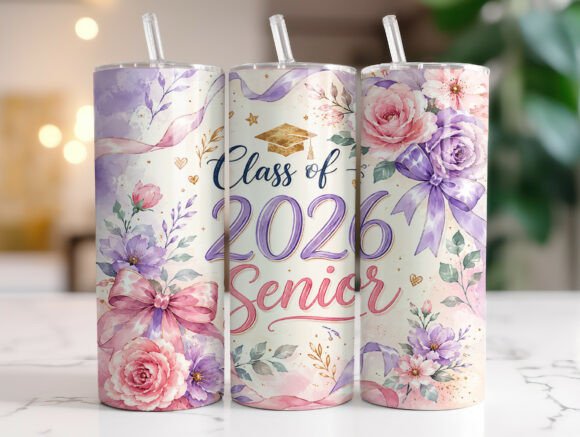
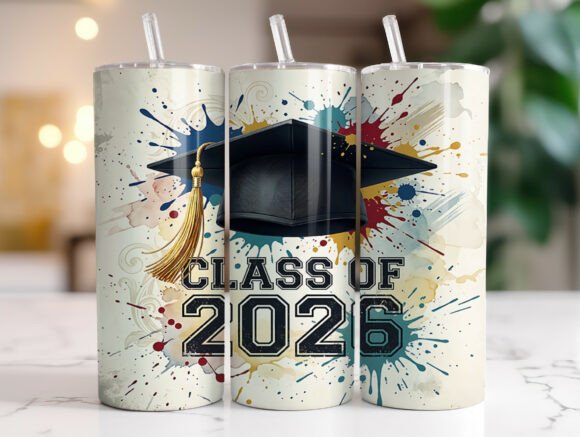
The first thing you notice about the Class of 2026 Graduation Tumbler Wrap is its bold, celebratory mood. It captures that specific moment of anticipation that defines the senior year experience. The layout is clean, avoiding the clutter that often plagues graduation-themed design assets. For an Etsy seller or boutique owner, visual clarity is everything; customers need to read the year and the message instantly, even from a distance. The typography appears robust enough to handle translation into thread, which is crucial. While the product description highlights this as a printable graphic for Tumbler Wraps, my mind immediately went to how these Graphics could be adapted or used as inspiration for a machine embroidery design on apparel.
The size specification of 9.3″ x 8.2″ suggests a large format, which is excellent for back-of-shirt designs or large tote bags. However, for an embroiderer, scale is relative to the hoop size of your machine. If you are planning to use this strictly as a sublimation wrap, the high resolution of 300 DPI is perfect. But if you are an embroiderer looking to replicate this vibe or use elements of it, you must consider how those lines translate to satin stitch or fill stitch. The design exudes professionalism, making it a strong candidate for commercial embroidery projects where brand consistency matters.
Real-World Application: The Senior Send-Off Scenario
Let's walk through a real-life scenario. Imagine a local high school parent group approaches your small shop product line. They want custom gear for the graduating class of 2026. They aren't just looking for a tumbler; they want coordinated custom apparel. You might envision a navy blue sweatshirt embroidery project where the "Class of 2026" text is stitched in gold and white thread. In this context, the clean lines of the original graphic serve as an excellent blueprint.
If you were to adapt this concept for a tote bag design, the durability of the stitches becomes paramount. A tote bag gets thrown around, stuffed with books, and dragged across floors. The design's simplicity works in your favor here; complex, tiny details often get lost or snagged on rough canvas. By simplifying the graphic into a solid applique design or a dense fill, you create a holiday embroidery or gift item that lasts. The emotional value of a personalized gift for a graduate is high, so the execution must match the sentiment. A sloppy stitch job ruins the trust a customer places in your handmade product.
Technical Considerations for Stitching
Before you commit to stitching this—or a digitized version of it—on a client's expensive garment, there are technical hurdles to clear. The original file is a PNG, meaning it is not a native embroidery file ready for your machine. This is a critical distinction. You cannot load a PNG directly into most embroidery machines without prior digitization. If you are using this as a reference to create your own stitches, pay close attention to stitch density. Graduation themes often use caps and diplomas, which can become very dense if not managed well. High density leads to puckering, especially on stretchy fabrics like the cotton blends used in modern sweatshirt embroidery.
Consider the fabric texture you are working with. On a smooth polo shirt, fine details shine. On a textured terrycloth towel or a fuzzy fleece blanket, those same details might disappear. If you are attempting to recreate the look of the Class of 2026 Graduation Tumbler Wrap on a baby embroidery item, you must ensure the backing is soft and the stitches are not too abrasive against sensitive skin. Always test the design on scrap fabric first. This isn't just good advice; it's insurance for your reputation.
Navigating Challenging Surfaces
While the product is marketed as a tumbler wrap, the aesthetic fits perfectly on curved surfaces like caps. However, embroidering on a cap is notoriously difficult. The curvature distorts the design if the digitizing isn't compensated correctly. If you are adapting this graphic for a hat, be wary of tiny lettering. Threads spread; what looks crisp on a 300 DPI screen can turn into a blob when stitched at 1 inch tall. Furthermore, dark fabrics require careful selection of thread colors. A white thread on black fabric pops beautifully, but you may need a heavier underlay to prevent the fabric from showing through the stitches, which can alter the perceived color vibrancy.
Another area of caution is products that need frequent washing. School spirit gear gets laundered often. Ensure your stabilizer choice matches the fabric weight. A cut-away stabilizer is often safer for long-term durability on apparel than a tear-away, which might leave edges that fray over time. If you are creating an embroidered patch to sew onto a jacket later, you have more freedom with dense stitching since the patch provides its own structure.
Enhancing Brand Value and Customer Trust
Ultimately, the goal of using a design like the Class of 2026 Graduation Tumbler Wrap is to elevate your brand consistency. Whether you are selling the printed wrap or using the design language for stitched goods, the quality reflects on you. A well-executed project builds customer trust. When a buyer sees a clean, professional finished product, they are more likely to return for future holiday embroidery needs or recommend your craft business to others.
Visual appeal drives buyer engagement. In a crowded marketplace like Etsy, your mockups need to sing. Even if you are selling the digital file, showing it applied to a realistic printable mockup of a sweatshirt or tote bag helps the customer visualize the potential. It bridges the gap between a static image and a tangible memory. For the creative entrepreneurs among us, this design offers versatility. It can be the centerpiece of a graduation party favor, a commemorative pillow cover, or a keepsake apron for the proud parent cooking the celebration dinner.
Final Verdict and Designer Notes
The Class of 2026 Graduation Tumbler Wrap is a solid asset for anyone in the gifting or decor space. Its strength lies in its timely relevance and clean composition. However, for the embroiderer, it serves best as a visual guide unless you have the skills to digitize it properly. Remember, the provided files are PNGs, not stitch files. Do not assume compatibility with your machine without checking the specific terms and file types.
- Test First: Always run a stitch-out on scrap material similar to your final fabric.
- Check Contrast: Ensure your thread colors stand out against the chosen garment.
- Review Density: Avoid overly dense areas that cause stiffness or puckering.
- Confirm Hoop Size: Verify the design fits your machine's maximum area before starting.
- Inspect Details: Zoom in on small text to ensure it won't merge when stitched.
- Mockup Testing: View the design in black and white to check for value contrast issues.
- Licensing: Double-check the license agreement before selling items made with this design commercially.
In the world of digital product sellers and makers, preparation is key. By treating the Class of 2026 Graduation Tumbler Wrap with the respect it deserves—analyzing its potential pitfalls and maximizing its strengths—you can create a small shop product line that resonates with graduates and their families alike. It is not just about the year; it is about the quality of the memory you help them preserve.