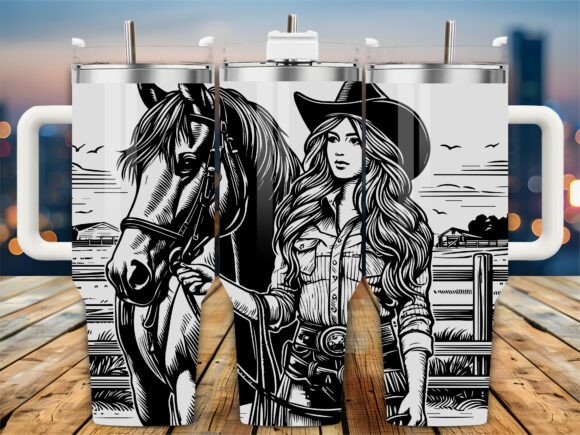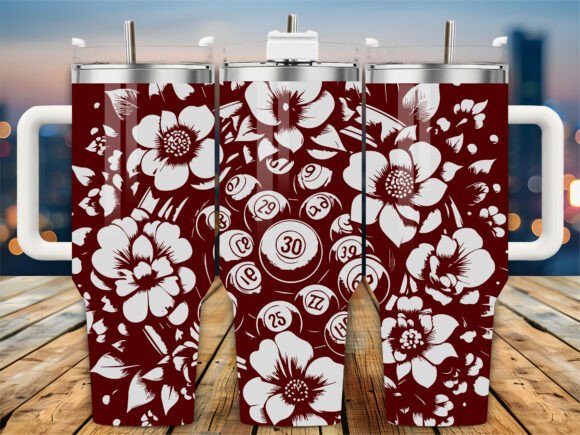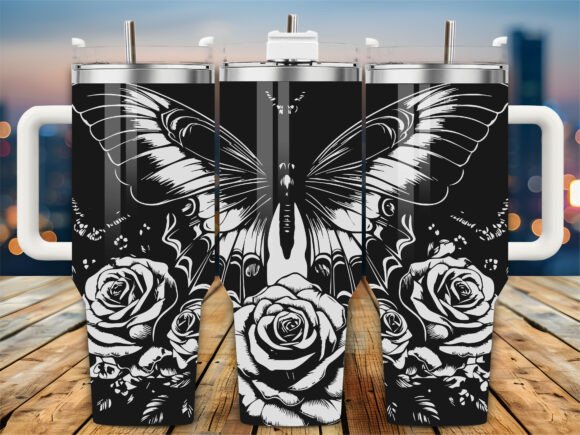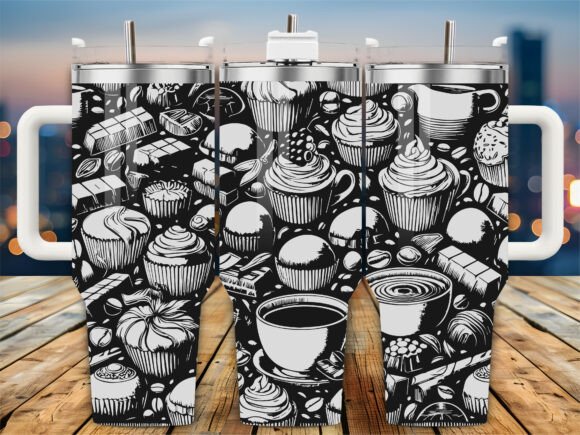
Rugged Rocky River 40oz Tumbler: A Designer's Review
As a designer who spends more time staring at stitch maps than most people care to admit, I approach every new digital embroidery file with a mix of curiosity and skepticism. We have all downloaded a design that looked stunning on the screen but turned into a thread nest on the fabric. Recently, I took a close look at the Rugged Rocky River 40oz Tumbler. While the product listing categorizes this under Crafts and Graphics with a specific focus on laser engraving for tumblers, my mind immediately went to a different place: how does this aesthetic translate to the needle and thread? Can this rugged, nature-inspired theme work for a handmade product line beyond just metal cups?
First Impressions: Mood and Visual Personality
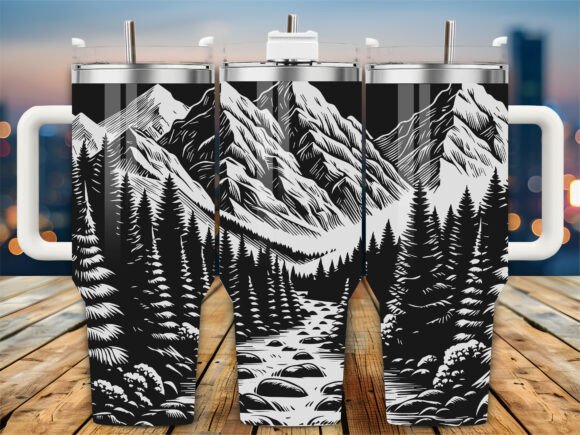
The first thing that strikes me about the Rugged Rocky River 40oz Tumbler concept is its raw, outdoorsy mood. The imagery suggests flowing water, jagged stones, and perhaps some wilderness foliage. In the world of machine embroidery design, this kind of theme is incredibly versatile. It moves away from the overly cute or strictly geometric trends we often see and taps into a timeless appreciation for nature.
Visually, the layout feels organic. If we were to adapt this graphic into an embroidery project, the flow of the "river" elements would naturally guide the eye across the garment or accessory. The level of detail appears high enough to be interesting but, hopefully, not so dense that it becomes a stitching nightmare. For a small business owner looking to create a cohesive brand identity, this kind of visual personality screams "adventure" and "durability," making it perfect for outdoor gear or lifestyle apparel.
Real-World Application: From Screen to Stitch
Let's get practical. Imagine you are preparing a custom order for a client who runs a local hiking guide service. They need branded merchandise that looks professional but can withstand the elements. While the original intent of the Rugged Rocky River 40oz Tumbler file is for laser wraps, the design assets hold immense potential for custom apparel.
I can easily envision this motif adapted into a large back patch for a heavy canvas tote bag design or as a chest logo on a thick fleece sweatshirt embroidery project. The rugged theme pairs exceptionally well with earth tones—think moss greens, slate grays, and deep river blues. When stitched onto a textured fabric like twill or denim, the interplay between the thread and the material could enhance the "rocky" feel of the design.
For Etsy sellers and creative entrepreneurs, this opens up a niche market. You aren't just selling a shirt; you are selling a piece of the outdoors. Whether it is used for holiday embroidery gifts for the adventurer in your family or as part of a boutique's summer collection, the thematic strength of this design carries a lot of weight. It adds perceived value to the finished product, making customers feel like they are buying something specialized rather than generic.
Navigating Fabric and Hoop Challenges
However, translating a graphic intended for laser engraving into thread requires careful judgment. One must be cautious about where and how this design is applied. If you attempt to stitch complex details on a stretchy fabric like thin jersey without proper stabilization, you risk distortion. The "river" lines could warp, losing that clean, professional look.
Furthermore, consider the hoop size. A 40oz tumbler wrap is tall and curved. If adapting this for a cap, the curvature of the hat combined with the density of the design could cause puckering. Detailed corners and tiny lettering, if present in the adaptation, need to be scrutinized. On dark fabrics, you might need to adjust the thread colors or add an underlay to ensure the design pops without looking flat. For baby embroidery, this design might be too dense or rugged unless significantly simplified and softened, as infants require lighter, breathable stitches.
Enhancing Brand Consistency and Customer Trust
In the realm of commercial embroidery, consistency is king. If you use the Rugged Rocky River 40oz Tumbler aesthetic across multiple products—say, a matching set of towels, patches, and shirts—you build strong brand recognition. Customers begin to associate that specific rocky river motif with your quality.
This affects buyer engagement significantly. A well-executed embroidered patch featuring this theme tells a story. It suggests that the maker cares about detail and durability. When a customer receives a personalized gift that features crisp satin stitch borders and smooth fill stitch areas, their trust in your craft business deepens. They are more likely to return or recommend your small shop product to friends. The visual appeal directly correlates to the perceived professionalism of your operation.
Practical Notes for the Serious Maker
Before you commit to stitching this on a client's expensive jacket, here are my professional recommendations:
- Test on Scrap First: Always run a test stitch-out on a similar fabric to what the final product will use. Check how the stitch density behaves.
- Check Contrast: Ensure your thread colors provide enough contrast against the fabric background. What looks good on a white mockup might vanish on navy blue.
- Stabilizer Matters: For a design with this much potential detail, using the correct stabilizer is non-negotiable. Cut-away stabilizer is often best for garments that will be washed frequently.
- Review Licensing: Since the original description mentions it is perfect for small business laser wrapping, verify if the license extends to commercial embroidery projects or if you need to purchase a separate extension for textile use.
- Mockup Verification: Create printable mockups in both black and white and color to see how the design holds up without the distraction of vibrant threads.
Ultimately, the Rugged Rocky River 40oz Tumbler offers a compelling visual foundation. While it originates as a graphic for hard goods, its soul belongs in the tactile world of textiles. With the right adjustments regarding fabric texture, tension, and thread selection, it can become a standout element in your portfolio. Just remember, the difference between a good design and a great finished product lies in the preparation and the respect you have for the materials you are working with.