Vintage Boho Wildflowers: A Designer's Review
As someone who spends more time staring at stitch maps and thread charts than I do sleeping, I approach every new digital embroidery file with a healthy dose of skepticism. We have all been there: you buy a design that looks stunning on the screen, only to find out it turns into a bird's nest of thread breaks and puckering once it hits the fabric. So, when I came across the Vintage Boho Wildflowers Tumbler Wrap, my first instinct wasn't to rush to the checkout. It was to analyze whether this graphic could actually translate into a viable embroidery project for my clients.
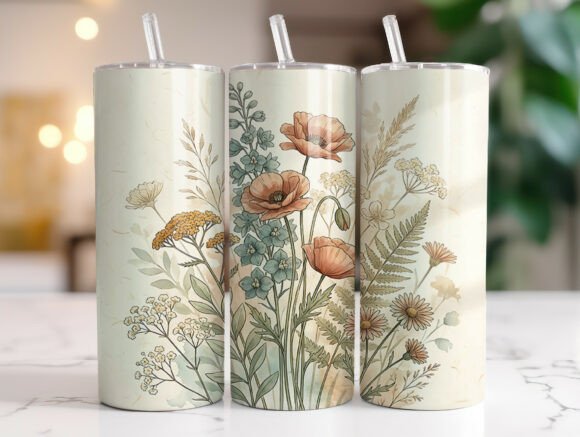
The product listing describes this as a high-resolution PNG set, specifically tailored for 20oz skinny tumblers. While the primary marketing angle is clearly sublimation or UV printing for Tumbler Wraps, my brain immediately started dissecting how these Graphics could be repurposed for needle and thread. The aesthetic is undeniably on-trend; the "Vintage Boho" vibe suggests muted earth tones, organic shapes, and a slightly weathered charm that resonates deeply with today's handmade market. But can we stitch it?
First Impressions: Mood and Layout
Opening the files, the first thing that strikes me is the composition. The design spans 9.3″ x 8.2″, which is a substantial footprint. In the world of machine embroidery design, size matters immensely. This isn't a tiny logo for a pocket; this is a statement piece. The layout features a sprawling arrangement of wildflowers that feels loose and artistic rather than rigidly geometric. This organic flow is excellent for embroidery because it allows for varied stitch directions, which adds texture and depth to the finished product.
The mood is nostalgic and warm. It evokes images of dried flower presses and old botanical illustrations. For a designer, this visual personality is gold. It tells a story before a single stitch is dropped. However, because this is provided as a PNG and not a native embroidery format (like PES or DST), the responsibility falls entirely on the digitizer—or the user, if they are converting it themselves—to interpret those pixels into satin stitch, fill stitch, and running stitch commands. The clarity of the 300 DPI resolution helps significantly here, providing clean edges to trace for digitizing software.
Real-World Application: Beyond the Tumbler
Let's move away from the theoretical and look at a real-life scenario. Imagine I have a client who runs a small boutique selling eco-friendly baby products. They want a limited-run line of organic cotton muslin swaddle blankets featuring a nature theme. The Vintage Boho Wildflowers Tumbler Wrap is perfect for this, provided we adjust the scale. The tapered version of the file included in the download is particularly interesting; while intended for curved tumblers, that slight curve can add a dynamic element to a rectangular tote bag design or a sweatshirt embroidery placement, breaking up the monotony of straight lines.
If I were to use this for a custom apparel line, perhaps a collection of oversized linen aprons for a local florist shop, the detail level would be the main focus. The wildflower motif fits the brand identity perfectly. Customers today crave authenticity; they want a handmade product that feels personal. Using this design as a large back-piece on a denim jacket or centered on a canvas tote creates immediate visual interest. It elevates a basic garment into a small shop product that commands a higher price point due to its perceived value and artistic merit.
For Etsy sellers and creative entrepreneurs, versatility is key. This design could easily be adapted into an embroidered patch. By isolating specific flower clusters from the larger wrap, you could create a series of coordinating patches. This maximizes the utility of a single purchase, turning one design asset into multiple revenue streams. Whether it's for holiday embroidery gifts or year-round commercial embroidery jobs, the boho aesthetic remains relevant across seasons.
Technical Challenges and Fabric Considerations
Now, let's talk about the hurdles. Since this is originally a print graphic, blindly stitching it onto just any fabric is a recipe for disaster. The level of detail in the petals and stems requires careful attention to stitch density. If you digitize this too densely, especially on a stretchy fabric like a t-shirt or a thin baby onesie, you will encounter severe puckering. The fabric will pull, distorting the beautiful organic lines into a crumpled mess.
For textured fabrics like towels or heavy canvas, the challenge shifts to coverage. A running stitch might get lost in the loops of a terrycloth towel, requiring a denser fill or perhaps even an applique design approach where the flowers are cut from fabric and stitched down. This technique not only solves the coverage issue but also adds a lovely tactile dimension that fits the "boho" theme perfectly.
Dark fabrics present another consideration. The original PNG likely assumes a light background for the sublimation process. If you are stitching this onto a navy blue sweatshirt or a black cap, you must ensure your thread colors have enough contrast. You may need to modify the color palette during the digitizing phase, swapping soft pastels for vibrant hues that pop against the dark background. Never assume the on-screen colors will translate directly to thread without adjustment.
Maximizing Value and Professionalism
The true test of a design is how it affects your brand consistency and customer trust. Using a high-quality source image like the Vintage Boho Wildflowers Tumbler Wrap ensures that your digitized output starts with a strong foundation. Clean lines in the source file mean cleaner paths in your embroidery software. This leads to a finished product that looks professional, with crisp edges and smooth color transitions.
When a customer receives a personalized gift or a piece of custom apparel that features intricate, well-executed embroidery, their perception of your skill level skyrockets. They aren't just buying a shirt; they are buying confidence in your craftsmanship. This design, with its intricate floral details, offers ample opportunity to showcase technical proficiency. However, this also means there is no room for error. Skipped stitches or messy trims will be immediately obvious in such a detailed motif.
For those creating printable mockups to sell digital products or preview physical goods, the high resolution of these files is a massive advantage. You can create realistic previews for your Etsy listings or social media ads without needing to stitch a sample first. This saves time and materials during the product development phase, allowing you to gauge market interest before committing to production.
Practical Notes for the Embroiderer
Before you commit this design to a client's expensive garment, here is my advice based on years of trial and error:
- Test on Scrap First: Always stitch a sample on the exact same fabric and layering you plan to use for the final job. Check for registration issues and puckering.
- Stabilizer is Non-Negotiable: Given the size (over 9 inches wide), you will likely need a robust stabilizer setup. Consider using a cut-away stabilizer for stretchy knits to prevent long-term distortion.
- Check Hoop Size: This design is large. Ensure your machine's maximum hoop size can accommodate the 9.3″ width, or be prepared to split the design and re-hoop, which requires precise alignment.
- Thread Contrast: Review your thread chart. Sometimes two similar shades in the PNG look distinct on screen but blend together when stitched. Adjust your color map to ensure definition.
- Licensing Verification: The product states it is an instant download for graphics. Before selling items made from this design as commercial embroidery products, double-check the specific license terms regarding physical goods versus digital resale.
- Simplify if Necessary: Don't be afraid to simplify the design for smaller applications. If putting this on a cap or a baby bib, reduce the complexity to maintain stitch integrity.
In conclusion, the Vintage Boho Wildflowers Tumbler Wrap is a versatile and aesthetically pleasing asset. While it is marketed for sublimation, its potential for embroidery projects is significant for the willing designer. It offers a rich visual language that, when translated correctly into stitches, can elevate everything from a simple kitchen towel to a high-end boutique garment. Just remember: the file is the blueprint, but your expertise as a digitizer and embroiderer is what builds the house. Treat it with the respect it deserves, test thoroughly, and you will have a winner on your hands.