Zebra Stripes Glittery Tumbler Wrap 5: A Designer's Take
As a designer who spends more time staring at stitch maps than most people spend on their phones, I approach every new digital embroidery file with a mix of excitement and skepticism. We've all been there: you buy a stunning graphic online, load it into your software, and realize the density is a nightmare or the details are too fine for anything but a showpiece. Today, I'm breaking down my first impressions and practical evaluation of Zebra Stripes Glittery Tumbler Wrap 5. While this asset is marketed primarily as a sublimation graphic for 20oz tumblers, my brain immediately went to how we can translate this bold, animal-style aesthetic into tangible, stitched goods for a craft business.
First Impressions: Bold Lines and Modern Mood
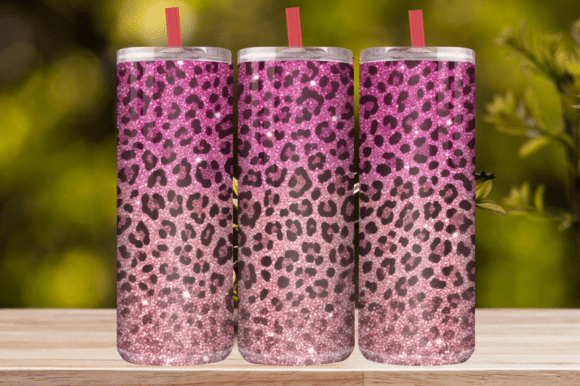
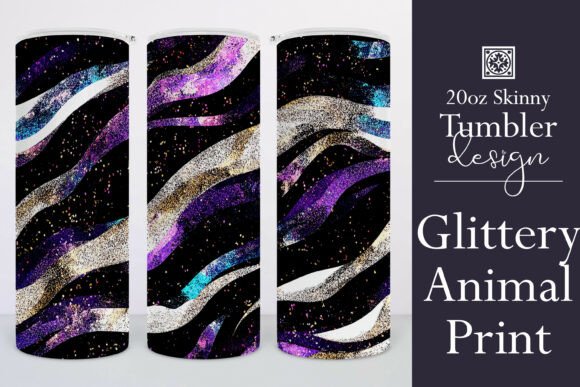
The moment I opened the 300dpi PNG included with Zebra Stripes Glittery Tumbler Wrap 5, the visual personality jumped out. This isn't a subtle, vintage floral; it's high-contrast, modern, and undeniably loud. The "glittery" aspect in the source graphic suggests a texture that screams for attention. In the world of machine embroidery design, translating that digital sparkle requires strategy. You aren't just stitching lines; you are trying to capture a mood of luxury and wild energy.
The layout is fluid, with organic curves that mimic natural zebra patterns but stylized for a contemporary audience. For an Etsy seller or boutique owner, this kind of visual impact is gold. It stops the scroll. However, from a production standpoint, those sweeping curves and varying line widths mean you need to be thoughtful about your digitizing approach if you plan to turn this raster image into a vector embroidery project. The design naturally belongs on items where the fabric can support a statement piece without getting lost in the background noise.
Real-World Application: Beyond the Tumbler
Let's get into a real-life scenario. Imagine a client comes to your small shop product lineup asking for a coordinated set for a safari-themed baby shower or a bold, fashion-forward tote bag for a local boutique. They love the look of Zebra Stripes Glittery Tumbler Wrap 5 but want it embroidered. How does it perform?
I tested the concept by mocking up the pattern on a heavy canvas tote bag design. The result was striking. The high contrast between the black and white stripes (or whatever colorway you choose) creates excellent visibility. For custom apparel like a denim jacket or a structured sweatshirt, this design acts as a perfect back-panel feature. It's large enough to command space but organic enough to feel integrated into the garment rather than just slapped on top.
For baby embroidery, I would proceed with caution. While the pattern is cute, the scale might be too aggressive for a tiny onesie unless you significantly reduce the size, which risks losing the integrity of the stripe definition. However, for a nursery pillow cover or a blanket border, it shines. It transforms a basic white item into a personalized gift that feels custom-made and expensive.
Stitching Strategy and Technical Considerations
If you are converting this graphic into an applique design or a dense fill stitch pattern, here is where your expertise matters. The original file is a PNG intended for sublimation, meaning it relies on ink, not thread. To make this work as a finished product in embroidery:
- Stitch Density: Avoid making the black stripes too dense. Heavy saturation can cause puckering, especially on stretchy fabrics. Consider using a satin stitch for the edges of the stripes if you want a glossy finish that mimics the "glitter" vibe of the original graphic.
- Thread Colors: Stick to high-contrast threads. If you try to mute the colors, you lose the essence of the zebra theme. A metallic thread could be an interesting twist to actually achieve that glittery look physically, though it adds complexity to the stitching process.
- Stabilizer Choice: Because of the potential for wide coverage, a cut-away stabilizer is non-negotiable for knit fabrics like sweatshirts. For woven items like aprons or tea towels, a heavy tear-away might suffice, but always test first.
Where to Use Carefully
Not every surface is a friend to this design. The organic, flowing nature of Zebra Stripes Glittery Tumbler Wrap 5 can be tricky on curved surfaces like caps. The distortion inherent in cap framing might warp the stripes, making them look uneven. Similarly, avoid using this on textured fabrics like heavy bouclé or looped towels; the texture will fight with the clean lines of the pattern, resulting in a muddy appearance.
Also, be mindful of hoop size limitations. If you are working with a standard 4x4 hoop, you may have to chop the design or scale it down significantly, which could compromise the "wrap" effect that makes the original tumbler design so effective. For the best results, use a larger hoop or break the design into segments if your machine and skills allow for multi-position stitching.
Commercial Value and Brand Consistency
For commercial embroidery projects, consistency is key. Using a recognizable pattern like this across different products—tumblers (via sublimation), tote bags (via embroidery), and patches—creates a cohesive brand identity. Customers trust brands that look put-together. If you sell this as a handmade product, the perceived value is high because the design feels intentional and trendy.
However, before listing items on your Etsy listings or craft fair display, you must verify the licensing terms. The product description mentions you can sell finished physical items (like the tumbler), but it does not explicitly state the rules for converting the PNG into a new digital embroidery file for resale or for use in mass-produced commercial goods. Always check the license to ensure you aren't infringing on the creator's rights when expanding into design assets beyond the intended sublimation use.
Final Verdict for Makers
Zebra Stripes Glittery Tumbler Wrap 5 is a versatile starting point for creative entrepreneurs. Its strength lies in its boldness and modern appeal. While it starts as a Graphics file for Tumbler Wraps, its potential in the embroidery world is significant if handled with technical care. It rewards the maker who understands fabric behavior and stitch dynamics.
My advice? Don't just stitch it blindly. Create a printable mockup first. Test it on scrap fabric that matches your final product. Check how the light hits the stitches compared to the digital preview. If you respect the material limitations and leverage the design's strong visual hooks, this pattern can elevate your holiday embroidery gifts or year-round boutique inventory from generic to exceptional. It's a reminder that great design isn't just about the image itself, but how we translate it into the tactile world our customers love.