Western Highland Cow Tumbler: A Designer's Review
As someone who spends more time staring at stitch maps than most people care to admit, I approach every new machine embroidery design with a mix of excitement and skepticism. We have all been there: you download a file that looks adorable on the screen, only to find out it turns into a puckered mess once the needle hits the fabric. That is why I took a close look at the Western Highland Cow Tumbler before committing it to any client projects. While the product description markets this as an engraving laser wrap for tumblers, my job is to translate that visual concept into the tangible world of thread and fabric. Does this graphic hold up when converted from a digital asset to a stitched reality? Let's dig in.
First Impressions and Visual Personality
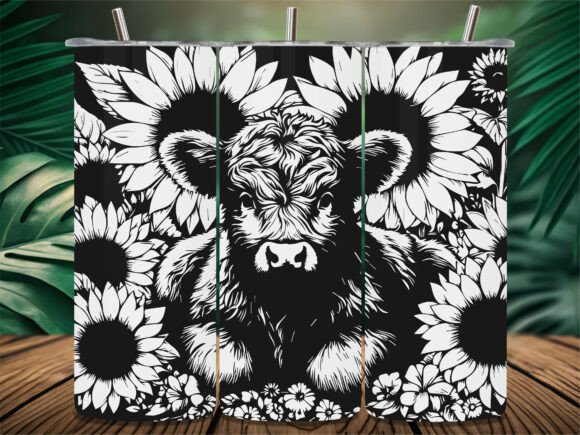
The first thing that strikes me about the Western Highland Cow Tumbler graphic is its mood. It captures that perfect blend of rustic charm and modern western aesthetic that is currently dominating the craft business landscape. The silhouette of the highland cow, likely featuring its signature shaggy bangs and sturdy horns, offers a strong visual anchor. For us as designers, strong shapes are everything. When you are working with an embroidery file, fine details can get lost, but bold outlines translate beautifully into satin stitches and fill patterns.
This design feels inherently cozy. It creates a narrative of warmth, nature, and a slower pace of life. If you are building a brand around handmade goods, this kind of imagery does a lot of heavy lifting for you. It tells a story before the customer even touches the finished product. Whether you are aiming for a farmhouse vibe or a rugged outdoor theme, the visual personality here is versatile enough to fit without feeling forced.
Real-World Application Scenarios
Let's move beyond the theory and talk about where this actually works. I recently had a request for a line of personalized gifts for a family reunion with a "mountain retreat" theme. My mind immediately went to the Western Highland Cow Tumbler concept, but adapted for textiles. Imagine this design centered on a canvas tote bag design. The sturdy weave of canvas handles dense stitching well, allowing the texture of the cow's fur to be rendered effectively with varied stitch directions.
Another excellent use case is sweatshirt embroidery. A oversized, boxy crewneck in a heather grey or oatmeal color would provide the perfect backdrop. Placing the design on the left chest creates a subtle, boutique look, while a large back placement makes a statement piece suitable for cool autumn days. For those running an Etsy seller shop focused on nursery decor, this motif translates wonderfully to baby embroidery projects. Think of a soft muslin swaddle blanket or a bib; the gentle nature of the animal makes it appropriate for little ones, provided the stitch density is adjusted to remain soft against sensitive skin.
I also see potential for embroidered patch creation. If you digitize this specifically for a merrowed edge patch, the distinct outline of the highland cow becomes a wearable badge of honor for hikers, campers, or coffee lovers. It elevates a simple cap or jacket into a curated small shop product.
Technical Considerations for Stitching
Here is where we need to be honest and practical. Taking a graphic intended for laser engraving and adapting it for thread requires a keen eye for detail. Laser files rely on contrast and continuous lines, whereas embroidery relies on stitch types like satin stitch, fill stitch, and running stitch.
If you are planning to use this design on textured fabrics, proceed with caution. A fluffy towel or a thick knit sweater might swallow up finer details of the cow's facial features. In these instances, you may need to simplify the design, reducing the complexity of the hair texture to prevent the stitches from blending into the fabric pile. Similarly, if you are working with stretchy fabric like jersey for a t-shirt, your stabilizer game needs to be on point. Without a proper cut-away stabilizer, the weight of the design could cause the fabric to pucker, distorting the cute shape of the cow.
Dark fabrics present another challenge. If the original Western Highland Cow Tumbler graphic relies on light-on-dark contrast for the laser effect, ensure your thread colors have enough pop. You might need to add a underlay or a backing layer to make the design stand out against navy or black garments. Conversely, on light fabrics, ensure your thread choice isn't too sheer, or the backing will show through, ruining the clean look.
Navigating Small Hoops and Curved Surfaces
Not every project allows for a large hoop. If you are attempting to put this on a structured cap or a small pocket, you must check the scale. Tiny lettering often accompanies these western themes; if this design includes text, verify that it remains legible at smaller sizes. Often, text needs to be re-digitized or removed entirely for small hoop size applications to maintain clarity. Curved surfaces like hats require careful positioning to ensure the design doesn't warp over the seam or the curve of the crown.
Impact on Brand and Customer Perception
In the world of commercial embroidery, consistency is key. Using a cohesive set of design assets helps build trust. The Western Highland Cow Tumbler theme fits perfectly into a broader collection of western or nature-inspired goods. When a customer sees a high-quality stitch-out of this design on a kitchen towel or an apron, they perceive value. It signals that the maker cares about trends and quality.
For holiday seasons, this design is a goldmine. Holiday embroidery often leans on familiar, comforting symbols. A highland cow wearing a Santa hat or surrounded by pine branches could be a seasonal variation that drives sales. The recognizability of the breed adds a layer of charm that generic animals lack, increasing buyer engagement and the likelihood of a purchase as a personalized gift.
Practical Notes for the Professional Maker
Before you start churning out inventory, here is my advice for integrating this into your workflow:
- Test on Scrap First: Never skip the test run. Stitch the design on the exact fabric you plan to sell. Check how the threads lay and if the fabric pulls.
- Check Contrast: View your test stitch-out in black and white. If the details disappear in grayscale, your color contrast might be too low for real-world viewing.
- Review Density: High stitch density can make a garment stiff. If this is for custom apparel meant to be worn comfortably, you may need to thin out the fill areas.
- Verify Licensing: Since the source material is described as a laser file, ensure you have the right to adapt it for embroidery and sell the physical items. Digital rights can be tricky.
- Mockup Testing: Create printable mockup images of the design on various products before listing them. This helps visualize the final look without wasting thread.
Ultimately, the Western Highland Cow Tumbler offers a strong foundation for creative adaptation. It sits comfortably in the Crafts and Graphics intersection, providing a visual hook that resonates with current market trends. However, its success lies in the execution. By respecting the limitations of thread and fabric, and by thoughtfully adjusting the design for specific applications, you can turn this digital graphic into a standout handmade product that customers will love. Whether it ends up on a cozy blanket or a stylish tote, the potential is there for those willing to put in the technical work.